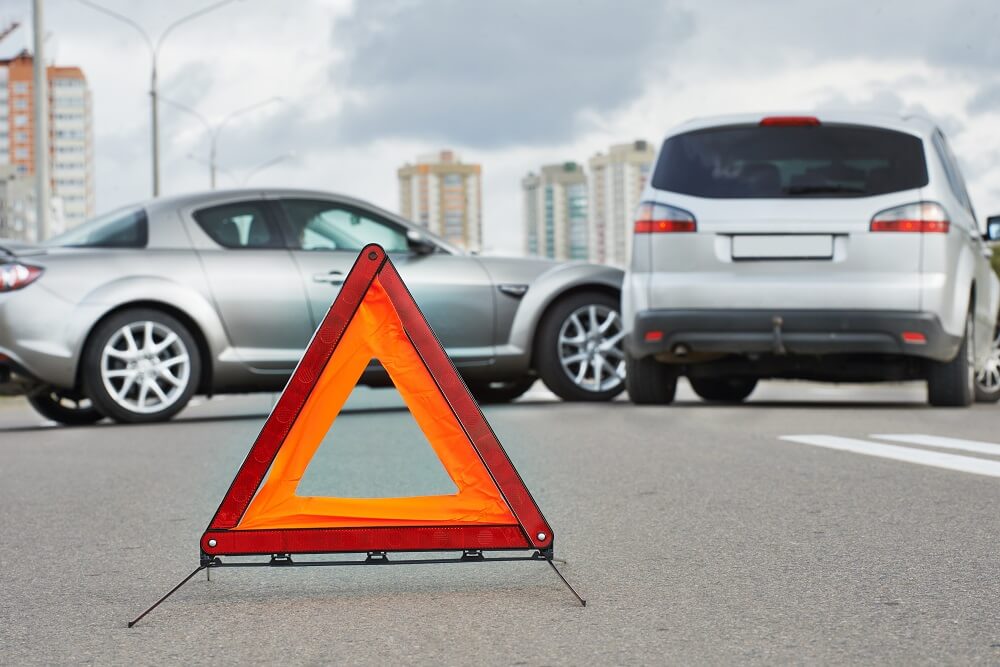
Alabama drivers who fail to stop, ignore the right-of-way, or commit another traffic violation are typically legally responsible for a T-bone accident at a stop sign. However, determining fault depends on the facts of the crash and the evidence available.
Alabama law generally requires the person whose negligence caused the crash to pay for the harm other people suffer as a result. However, determining who is at fault in a broadside accident is not always straightforward. You should know what evidence may be used and how Alabama’s negligence laws work to protect your interests after a car crash.
What Is a T-Bone Accident?
A T-bone accident, also known as a side-impact collision or broadside crash, occurs when the front of one vehicle hits the side of another vehicle. Side-impact crashes commonly happen at intersections when one driver enters the roadway without the legal right-of-way. The impact can result in severe injuries due to the limited space and structure between the passengers and the point of impact.
Because intersections require drivers to follow traffic signals and right-of-way rules, investigators often focus on whether one driver violated a traffic law when determining fault.
What Are Common Causes of T-Bone Accidents?
Several factors can contribute to a T-bone crash at a stop sign-controlled intersection:
- Failure to yield the right-of-way – A driver may stop at a stop sign but proceed into the intersection without waiting for cross traffic to pass. Drivers must yield the right-of-way when required by law before entering or crossing an intersection.
- Distracted driving – Even a few seconds of inattention can lead to a serious side-impact collision. A motorist who is texting, adjusting a navigation system, eating, or is otherwise distracted may fail to notice a stop sign or approaching traffic.
- Speeding through the intersection – Excessive speed can make it difficult for a driver to stop in time or accurately judge whether it is safe to enter an intersection.
- Obstructed visibility or signage – In some cases, drivers may have difficulty seeing approaching traffic or recognizing traffic control devices until it is too late.
What Are Alabama’s Right-of-Way Rules for Intersections?
Alabama law has several rules on how drivers must behave at intersections. When two vehicles approach an intersection from different roads, state law says drivers must obey applicable traffic signs and signals. A driver facing a stop sign must come to a complete stop and yield to vehicles already in the intersection or approaching closely enough to create an immediate hazard.
Drivers turning left generally must yield to oncoming traffic that is close enough to create a hazard. Drivers entering a roadway from a private road or driveway must also yield to approaching traffic. Violating these right-of-way requirements may be evidence that a driver caused the accident.
How Do You Determine Who Is at Fault in an Alabama Stop Sign Collision?
After an intersection accident in Alabama, determining fault is a critical matter when pursuing compensation. Insurance companies, attorneys, and investigators often review multiple sources of evidence when determining fault and liability for an Alabama intersection accident.
Some examples of potentially relevant evidence and information include:
- Police reports – Law enforcement officers who respond to the scene typically document important details, including witness statements and road and weather conditions. Although a police report is not the final word on fault determinations, it can provide valuable information in a car accident claim.
- Witness statements – Independent witnesses can offer observations about what happened before and during the collision. Eyewitness testimony can help establish whether a driver ran a stop sign or red light, or failed to yield, among other important facts.
- Camera footage – Videos can provide an objective record. Depending on the location, recordings may come from traffic cameras or dash cams, as well as surveillance footage and bystander video.
- Accident reconstruction – Accident reconstruction professionals can analyze physical evidence from the accident scene to determine how the crash occurred. They use the evidence to reach conclusions about the vehicles’ speed and impact angles, which help demonstrate fault.
What If You Are Partly Responsible for the T-Bone Accident?
Alabama has a strict contributory negligence rule. A person who is found even 1 percent responsible for causing an intersection accident in Alabama may be barred from recovering any compensation from the other driver. Because Alabama’s negligence rules can significantly affect your ability to recover compensation, it is important to work with an experienced car accident lawyer who can protect your rights after a crash.
What Should You Do After a T-Bone Accident?
The steps you take after a crash can affect both your health and your successful personal injury claim. Here are some tips on what to do:
- Call the police. Contact law enforcement and request that an officer respond to the scene. A police report can provide important information for a later personal injury claim.
- Seek medical care. Some injuries are not immediately obvious after a collision. A prompt medical examination can diagnose hidden injuries and allow for appropriate treatment. It also creates a record of your injuries and helps connect them to the accident.
- Document the scene. If it is safe to do so, gather evidence at the scene. Examples include photos and videos of the scene and any damage, including your injuries.
- Refrain from admitting fault. Avoid making statements that the insurance company could take out of context and interpret as accepting responsibility. Even casual comments made at the scene could later be used against you.
- Do not discuss the accident with insurance companies before talking with a lawyer. Insurance adjusters may ask questions designed to minimize or deny a claim. Before providing recorded statements or accepting settlement offers, speak with an attorney at our law firm who can explain your options.
Can I Seek Compensation for My Injuries from the T-Bone Crash?
If another driver’s negligence caused the side-impact wreck that injured you, you may be able to recover compensation through a car accident claim. Depending on your unique case, your damages may include:
- Medical expenses
- Future medical treatment costs
- Lost wages
- Reduced future earning capacity
- Pain and suffering
- Impaired enjoyment of life
- Property damage
Does Alabama Have a Time Limit for Filing a T-Bone Accident Lawsuit?
Alabama’s statute of limitations generally gives injured people two years from the date of the accident to file a personal injury lawsuit. Missing the filing deadline may prevent you from pursuing compensation.
Why You Need an Alabama Car Accident Lawyer on Your Side
T-bone accident cases often involve arguments over fault, right-of-way rules, and contributory negligence defenses. Working with an experienced personal injury lawyer from Gartlan Injury Law is key. When you hire our reputable attorney, you can rest assured that:
- We can build a strong case using expert testimony and evidence.
- We know how to deal with insurance companies to avoid low settlement offers.
- We will protect your rights under Alabama’s strict negligence laws.
Contact an Alabama Car Accident Lawyer
Gartlan Injury Law provides honest representation and aggressive trial strategies for injury victims throughout Alabama. Our team puts people first. We are always available to answer questions and discuss your concerns.
Our personal injury law firm has a track record of results, and we want to pursue the full compensation you deserve. We take pride in the positive reviews many of our past clients have written regarding their experiences with Gartlan Injury Law.
Contact us today for a free consultation with an experienced car accident attorney in Alabama.